Sourcing parts that actually ship to you
A bill of materials is only useful if you can buy what is on it. How Morbium treats sourcing as part of the design instead of an afterthought.
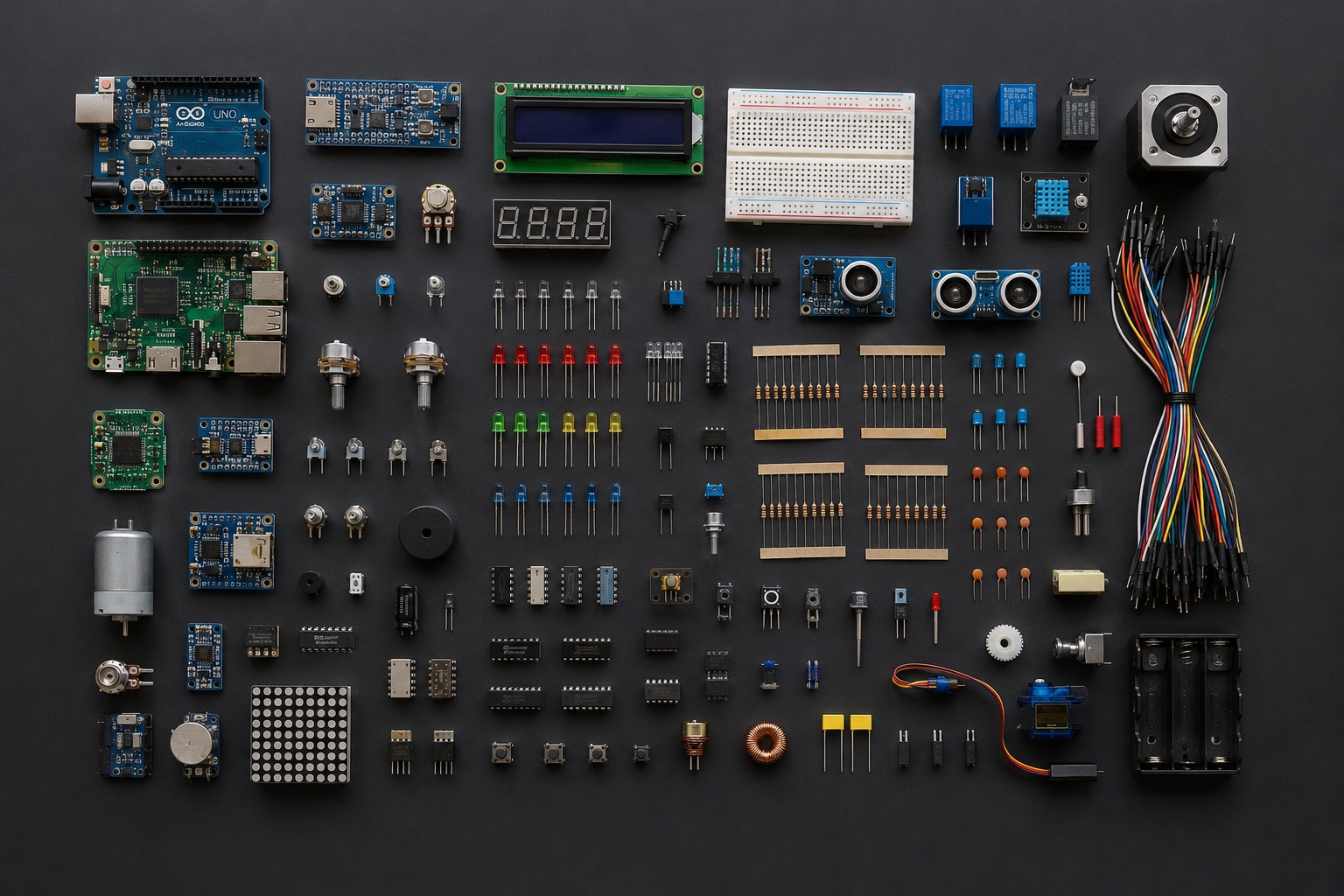
Most tools hand you a bill of materials and stop there. You get a list of part numbers, and then you spend an afternoon discovering that three of them sit with a distributor that will not ship to your country, one is end of life, and one has a twelve week lead time.
That last mile is where a design either becomes a product or stays a PDF.
Sourcing is a design constraint
The part you can buy today changes the design. A different regulator means a different footprint. A different connector means different board dimensions. If sourcing happens after layout, every substitution ripples backwards into work you had already finished.
So Morbium treats it as part of the design loop. Every line in the bill of materials carries four things beyond the part number:
- the vendor
- the unit price
- the stock count
- the region it ships from
Why the region matters
A global catalogue is not the same as a catalogue you can order from. Shipping a single ESP32 module across a border can cost more than the module, arrive three weeks later, and pick up a customs bill on the way.
When Morbium looks for a part, it looks for listings that ship to where you actually are. If you are in Chennai, that means Robu and Sunrom before it means a warehouse in Ohio.
What this looks like in practice
You describe what you want to build. Morbium designs the circuit, then goes looking for each part and writes what it finds back into the bill of materials with a link to the listing. If something is out of stock, that is visible while the design is still soft enough to change.
The result is a document you can act on: every row has somewhere to click and a price you can add up.
← All posts